
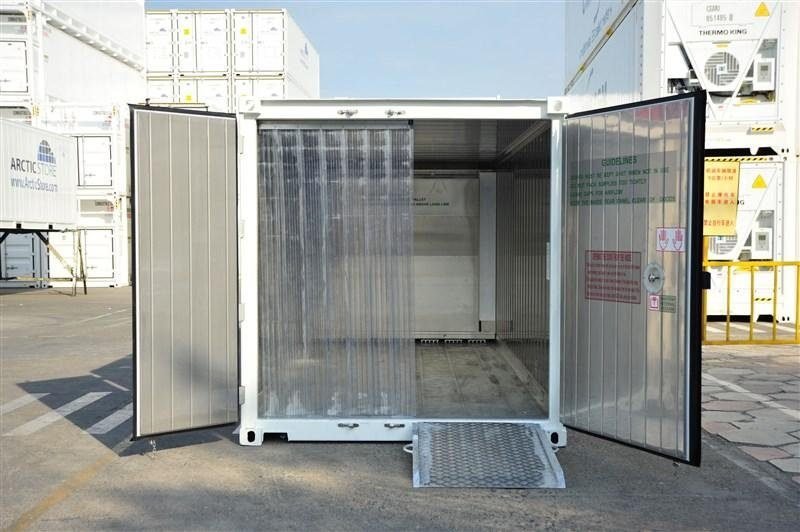
Steel conducts heat and cold readily, so an uninsulated shipping container can swing from sweltering in summer to freezing in winter — and trapped humidity leads to condensation (“container rain”) that can damage stored goods. Insulation solves both problems. Here are the most common options and how to choose.
Spray Foam
Closed-cell spray foam is the most effective option. It seals every gap, adds structural rigidity, blocks moisture, and delivers the highest R-value per inch. It's the priciest choice and is best applied by a professional, but for climate-controlled or year-round use it's hard to beat.
Rigid Foam Panels
Rigid boards (e.g., polyiso or XPS) offer strong insulation at a lower cost and can be installed DIY. They need to be cut to fit and sealed at the seams to prevent gaps and moisture intrusion.
Batt & Blanket Insulation
Fiberglass or mineral-wool batts are inexpensive and familiar, but they require a stud frame and a vapor barrier and can sag or hold moisture if not installed carefully. Insulated “blankets” are a quick, removable option for temporary or budget projects.
Best Practices
- Address ventilation alongside insulation to manage humidity.
- Always include a vapor barrier with fiber insulation.
- Don't forget the floor and roof — they're major heat-transfer paths.
- Match the R-value to your climate and intended use.
Planning a climate-controlled build? We offer insulated and modified containers ready to go — contact our team for a recommendation.