Refrigerated Shipping Container – Used Reefer, 20 or 40ft
$6,495
SKU: CCH-10088
Available to order — we confirm availability and your delivery window before dispatch
Used Refrigerated Shipping Containers 🔹 Available sizes: 20ft – Compact and efficient 40ft – Maximum cold storage capacity ✅ Key features: Fully operational refrigeration units Adjustable temperature settings Stainless steel interiors for easy cleaning Secure,…
- Nationwide shipping on all orders.
- 30-day returns — see how returns work.
- Orders are processed once payment has cleared.
Payment Methods We Accept
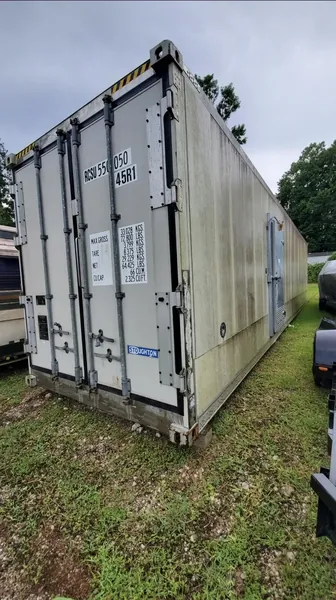
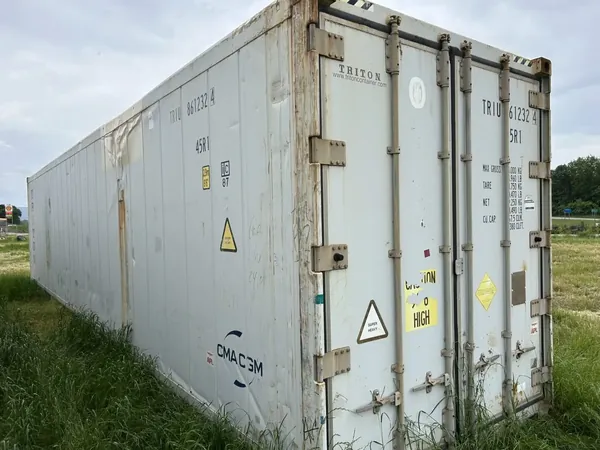
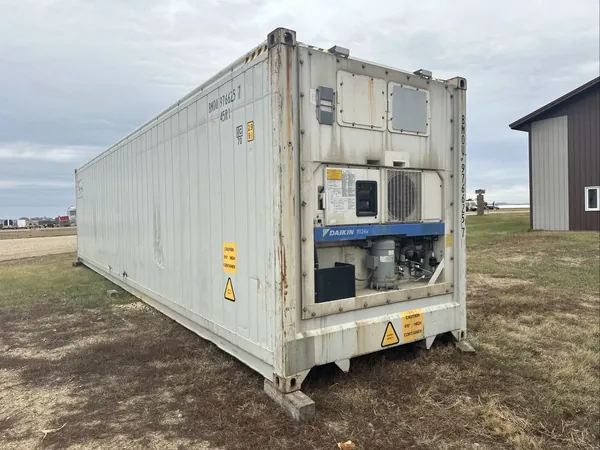
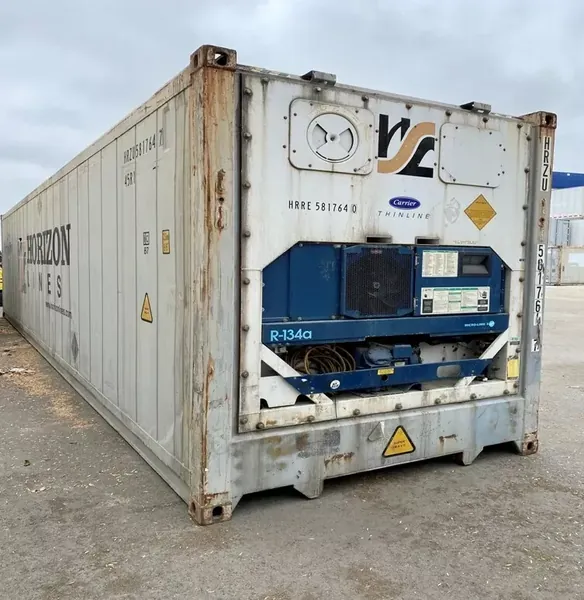
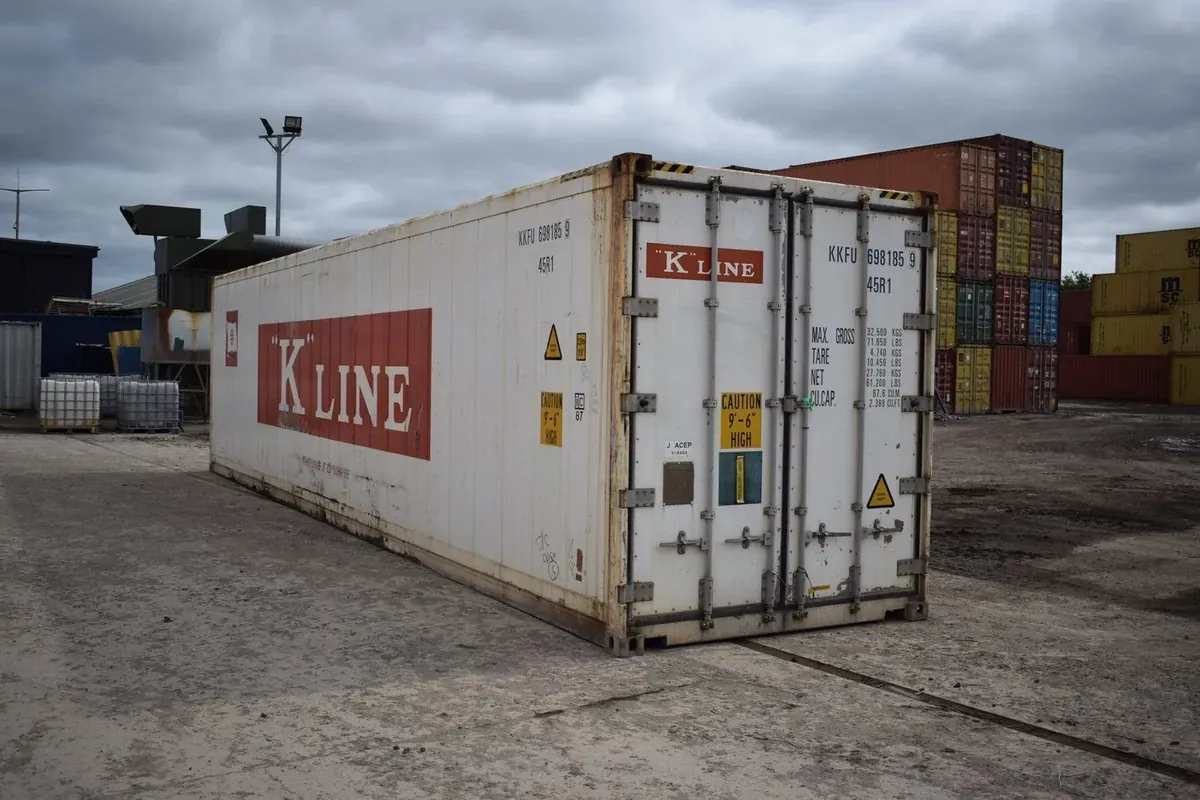
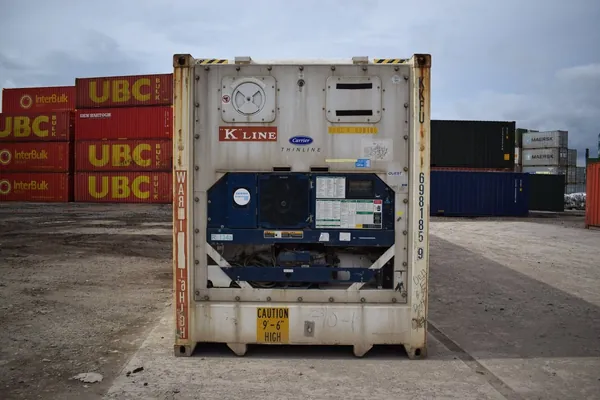
These refrigerated shipping containers provide a standardized way to handle temperature-controlled storage and transport. Built from weathering-resistant materials, they are engineered to hold precise internal environments for many temperature-sensitive goods. Each unit is a converted ISO container, originally built for intermodal freight and later fitted with an integrated refrigeration system.
Key Features
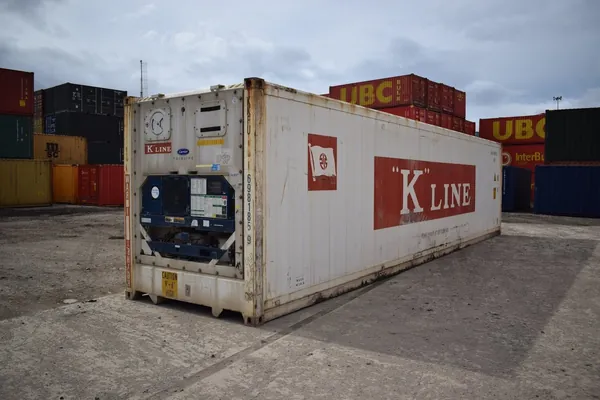
- Integrated refrigeration unit: Each container carries a factory-installed or retrofitted, commercially available refrigeration system common in cold chain logistics.
- Standardized dimensions: Built to standard ISO freight container external dimensions for transport via flatbed truck, rail, or vessel without special permitting in most cases.
- Durable steel construction: The primary structure uses COR-TEN steel built to withstand ocean freight and outdoor storage.
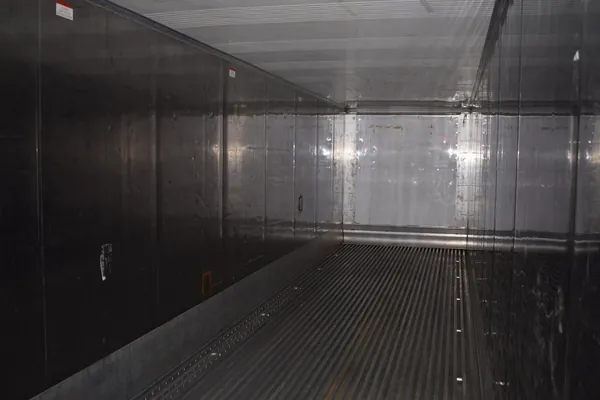
- Cargo restraint points: The interior floor is typically plywood or aluminum planking over steel cross members, with integrated lashing rings for securing cargo in transit.
- Digital temperature control: An external digital display and control panel let operators set and monitor the interior temperature without entering the container.
- Insulated panels: Walls, floor, and ceiling are insulated with polyurethane foam to minimize thermal transfer and ease the refrigeration unit's workload.
A refrigerated shipping container, often called a "reefer," works as a mobile cold storage unit. It is designed to hold a consistent internal temperature, typically from -20°F to over 40°F depending on the specific model and ambient external conditions.
The unit runs on a standard three-phase electrical connection that powers the compressor and fan system. Cold air circulates through the container via a T-shaped floor track for even temperature distribution across the cargo area, and this forced-air system prevents hot spots and maintains the integrity of stored products.
The exterior is fabricated from heavy-gauge weathering steel chosen for durability and corrosion resistance across climates. The doors carry heavy-duty locking gear and cam bars for a secure, airtight seal when closed.
For businesses needing temporary or permanent expansion of cold chain capacity, these containers offer a scalable alternative to brick-and-mortar cold storage construction. They can be placed on a prepared level surface, connected to power, and made operational quickly, and their mobility allows relocation if storage needs change.
Technical Specifications
- External dimensions (standard): Length 20 ft or 40 ft; Width 8 ft; Height 8 ft 6 in (standard) / 9 ft 6 in (high cube)
- Internal dimensions (approximate): Length 18 ft (20 ft unit) / 38 ft (40 ft unit); Width 7 ft 7 in; Height 7 ft 5 in (standard) / 8 ft 5 in (high cube)
- Temperature range: Typically configurable from -20°F to +40°F, depending on ambient conditions and unit specification.
- Power requirements: 230/460 Volt, 3-Phase electrical connection required for refrigeration unit operation.
- Insulation material: Polyurethane foam injected between interior and exterior steel panels.
- Door configuration: One set of double doors at one end, opening to 270 degrees.
- Material: COR-TEN (weathering) steel exterior and interior lining.
These refrigerated containers are intended for commercial and industrial applications needing secure, mobile cold storage. They suit agricultural storage, holding harvested produce such as apples, citrus fruits, or root vegetables at controlled temperatures; food distribution, acting as temporary cold storage for caterers, grocery distributors, or food banks; floral preservation, storing cut flowers and botanicals that need consistent cool temperatures; industrial material storage, keeping temperature-sensitive adhesives, paints, or certain chemical compounds stable before use; and event support, providing cold storage for perishable goods at fairs, festivals, or large-scale catering events.
Package Includes
- (1) Refrigerated Shipping Container
- (1) Integrated Refrigeration Unit with external digital controller
- (1) Set of operational keys for door locking mechanisms
- Pre-operational check and certification of the refrigeration unit
Buying Refrigerated Shipping Containers for Sale: What Actually Matters
A reefer earns its keep the moment you stop paying someone else for cold space by the pallet. These are refrigerated shipping containers for sale outright, so the cold storage sits on your ground, runs on your schedule, and moves with you if the operation relocates. The trade-off is that the power supply and the upkeep become yours, and that is worth understanding before the truck rolls in.
Start with electricity. Marine refrigeration machinery is built for three-phase service, commonly 460V/60Hz in the United States, and it pulls hardest during pull-down when the box is first dropping to setpoint. Single-phase sites typically need a phase converter or a generator sized by a licensed electrician. Ask about the setpoint range too, because a chiller-duty machine holding produce just above freezing is a different job from deep-freeze work.
Specifications at a Glance
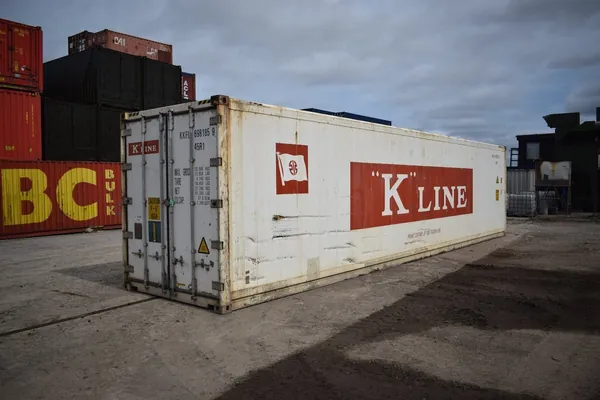
- External footprint: standard 40ft ISO dimensions, 40' x 8' x 8'6", so it moves on ordinary chassis and tilt-bed trucks
- Usable interior: tighter than a dry box of the same length, since insulation takes several inches from every surface
- Floor: T-bar aluminum decking that lets chilled air travel underneath palletized loads
- Power: three-phase supply or generator; the machinery occupies one end of the box
- Condition grade: used, sold with the wear you would expect from prior service life
- Delivery: flat $500 to any of the 50 states, scheduled after your order is confirmed
Where a Cold Storage Container Pays for Itself
Most buyers are not shipping cargo across an ocean. They are parking a stationary cold room where the work already happens, which cuts handling steps and keeps product close to the crew that uses it.
- Restaurants and caterers adding walk-in capacity without new construction
- Growers and packhouses holding harvest through a price swing
- Butchers, seafood processors and commissaries separating frozen and chilled zones
- Breweries and beverage producers conditioning or holding finished stock
- Florists, nurseries and event companies staging perishables
- Laboratory and pharmaceutical operations needing a controlled, lockable envelope
Site Prep and Delivery Planning
Set the container on level, compacted ground or blocking so the doors stay square and condensate drains as designed. Leave the machinery end accessible for service and keep the disconnect within easy reach. For a tilt-bed drop, plan on the container length plus roughly 40 feet of straight approach and about 15 feet of overhead clearance.
If a 40-footer is more cold room than you need, the 20ft used reefer container covers smaller footprints, while a 40ft high cube working reefer adds vertical room. Compare the full range under refrigerated containers for sale and our 40-foot container range, and our shipping and delivery terms explain the flat rate and scheduling.
Frequently Asked Questions
Can I run a reefer container on standard household power?
Not directly. Marine refrigeration units are designed for three-phase service, so a residential single-phase supply will not start the compressor on its own. Buyers on single-phase sites generally add a rotary phase converter or a generator sized by an electrician for the machine's startup draw. Confirm the electrical requirement for your specific unit before delivery day.
How much interior space do I lose to insulation?
A refrigerated container is a box within a box. Foam-cored panels line the walls, ceiling and floor, and the refrigeration machinery occupies one end. The result is a shorter, slightly narrower and lower interior than a dry container of the same external length. Plan racking and pallet layouts around the measured interior rather than published dry-box figures.
What is the return policy if the unit does not suit my site?
Returns are accepted within 30 days of delivery. The buyer arranges and pays for haulage back, and a 15% restocking fee applies. Because a container this size is costly to move twice, confirm access, ground conditions and power supply first. Reach out through our contact page if you want help with those checks.
Specifications
| SKU | CCH-10088 |
| Condition | Used (Cargo Worthy) |
| External dimensions | 40' × 8' × 8'6" (L × W × H) |
| Door opening | 7'8" × 7'6" (W × H) |
| Internal dimensions | Reduced by insulation, lining, or fit-out — confirm exact internals with our team before ordering racking or equipment |
| Delivery clearance needed | Approx. 80 ft of straight approach and ~15 ft overhead for tilt-bed delivery |
| Categories | 40ft Containers, Refrigerated Containers for Sale |
| Availability | Available to order — nationwide delivery |
Delivery & Site Access
We deliver to all 50 states for a flat $500 per order — the same price regardless of container size, quantity, or distance. That fee is added in your cart and at checkout, and there is no distance or size surcharge. A tilt-bed truck slides the container to ground level and places it as close as safely possible to where you want it.
Need help preparing your site or choosing the right delivery method? Call us at (440) 379-3940 or request a quote.
Delivering to your state: Arizona · California · Florida · Georgia · Illinois · Michigan · North Carolina · Ohio · Pennsylvania · South Carolina · Tennessee · Texas · Washington · all locations
You May Also Like
View All →